Journal
What happens in a kundli reading (and how to prepare for one)
17-Oct-2026
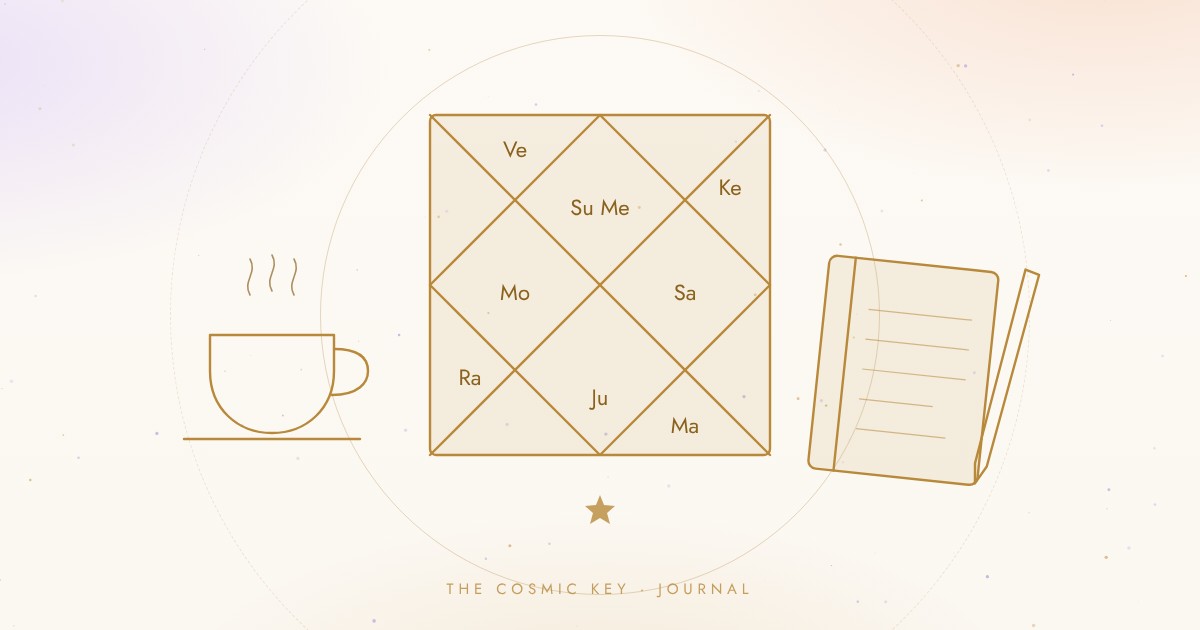
If you have never had your kundli read before, it is natural to feel a little unsure. Will it be full of jargon? Will I hear something frightening? What am I even supposed to ask?
I want to take the mystery out of it. Here is what really happens in a birth chart reading with me, and how you can prepare so that the hour feels useful.
What is a kundli?
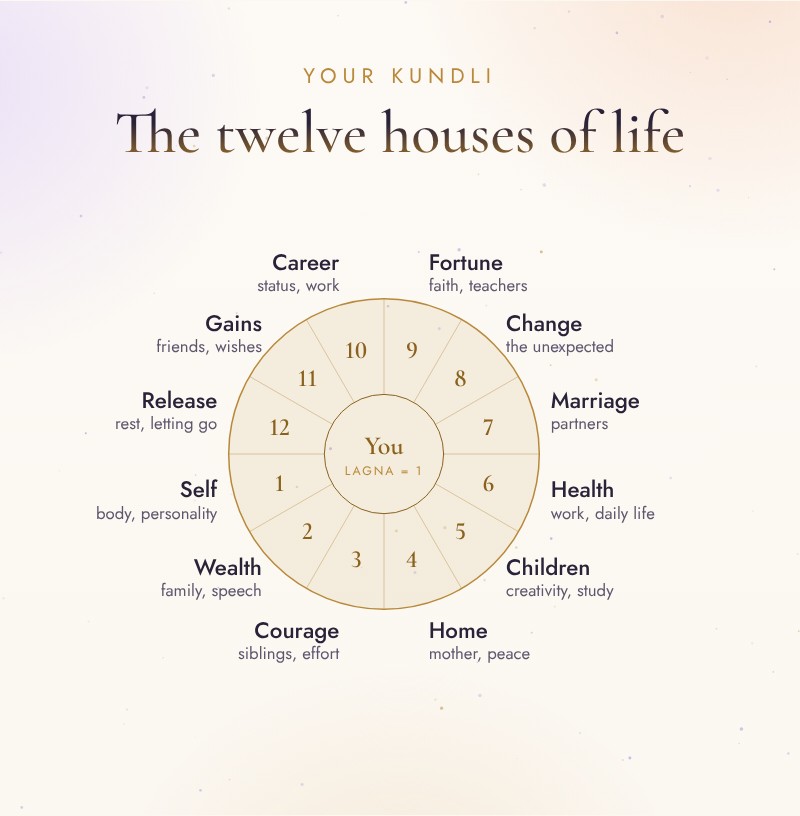
A kundli, or Vedic birth chart, is a map of the sky at the exact moment and place you were born. It shows where the Sun, the Moon and the planets were, which zodiac sign was rising on the eastern horizon (your lagna or ascendant), and how all of this falls across twelve houses, each linked to an area of life such as career, home, relationships or health.
Think of it less as a fixed prediction and more as a picture of your tendencies, strengths, recurring challenges and timing.
The birth details you need
To draw your chart accurately, I need three things:
- Date of birth
- Time of birth, as exact as you can find it. A birth certificate, hospital record or your parents' memory are all good sources.
- Place of birth: the town or city, and the country.
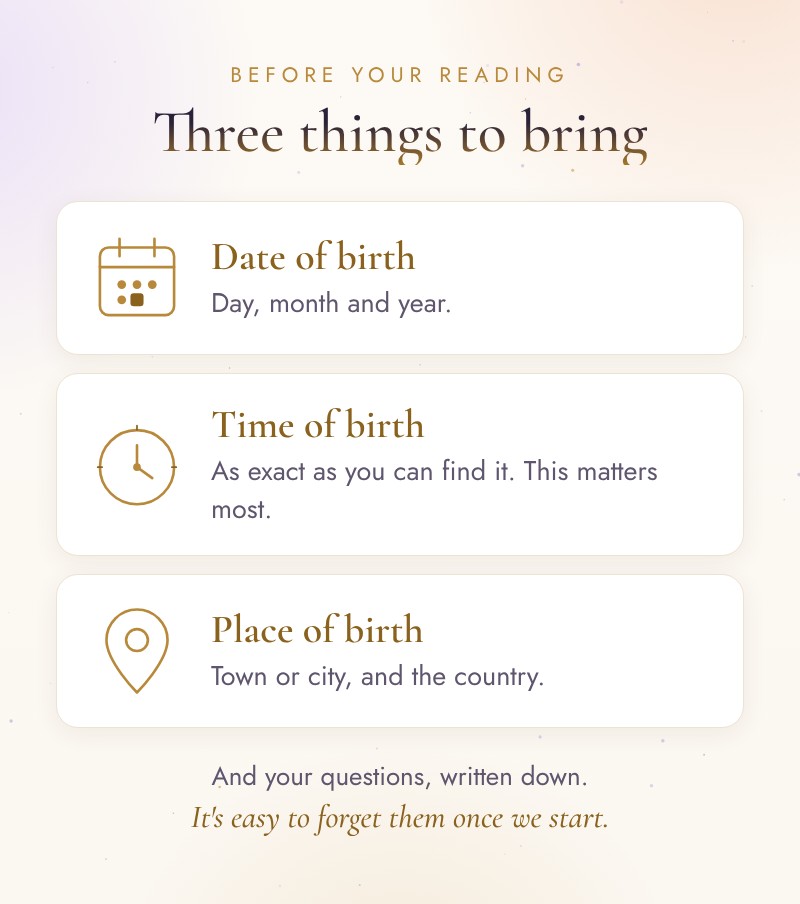
The time matters most, because the rising sign changes roughly every two hours. If you are not sure of your time, please don't worry. I have written a separate post on what we can do when the birth time is unknown.
What we look at together
Every reading is different, because every person is different. But most first readings touch on:
- Your lagna and Moon sign. How you meet the world, and what you need to feel emotionally settled.
- Planetary placements and strengths. Where your natural gifts lie, and which areas of life ask for more patience.
- The houses that matter for your question. For a career question we look closely at the 10th house; for marriage, the 7th; for money, the 2nd and 11th; and so on.
- Your dasha periods. Vedic astrology divides life into planetary periods (mahadasha and antardasha). This is where timing comes in: which phase you are in now, and what the next one or two years are likely to emphasise.
- Current transits. Where slow-moving planets such as Saturn and Jupiter are right now in relation to your chart.
I explain all of this in everyday language. You don't need to know a single astrological term.
Questions worth bringing
The reading is most helpful when it is about your life, not astrology in general. A few examples of good questions:
- "I'm thinking of changing jobs in the next year. Is this a good period to move?"
- "My relationships seem to follow the same pattern. What is my chart showing about that?"
- "I've felt stuck for two years. Is this a phase, and when does it ease?"
- "What are my strengths that I'm not using?"
Write them down before we meet. It is easy to forget them once we start talking.
What a kundli reading is not
A chart shows tendencies and timing. It doesn't decide your life for you, and it never replaces your own judgement or advice from a doctor, lawyer or financial professional. I won't scare you with doom, and I won't push expensive remedies. Any suggestions I make are simple, optional and never sold to you.
How a session works
We meet one-to-one on Google Meet, so you can join from home in Bengaluru or anywhere else in the world. Bring a cup of tea and a notebook. Most people leave with a clearer picture of where they stand and one or two practical next steps.
If you'd like to understand your own chart, you can book a birth chart reading or, if you have just one thing on your mind, a shorter quick question session.
Whenever you're ready, I'm here
Bring the question that's been on your mind. We'll talk it through, one-to-one, and you'll leave knowing your next step.
Book a session